


The Future of Health: How Precision Medicine is Revolutionizing Lifestyle Medicine
John Marshall Mullins, MD, Lifestyle Physician
Marshall Lifestyle Medicine was formed to be disruptive – intentionally – to traditional models of Healthcare. It was not my goal to be somewhat different. I believed that something profoundly different was necessary. We are an inflexion point as a society. We must change our approach as physicians and the belief that doctors hold all the solutions to individuals’ health and well-being. The future of healthcare must be different, we have no choice!
Precision medicine is emerging as one of the most exciting and transformative movements of our time. As a Lifestyle / Longevity Physician, I’ve long believed that the most effective medicine is proactive, personalized, and rooted in a deep understanding of everyone’s unique story. One thing I have discovered through 10 years of patient interviews is that everyone has a story and everyone is struggling. Precision medicine takes this philosophy to a whole new level—and it's changing the game for how we approach prevention, treatment, and overall well-being.
Prevent ALL that is preventable!
Detect (Early) all that is Treatable
Optimizing Metabolic processes necessary to provide a prolonged Health Span.

What is Precision Medicine?
Precision medicine is an approach to healthcare that tailors medical treatment to the individual characteristics of each patient. This includes everything from genetic makeup and biomarkers to lifestyle habits, environmental exposures, and even social factors. Rather than offering a “one-size-fits-all” treatment plan, precision medicine aims to deliver the right intervention to the right person at the right time.
In practical terms, this could mean using genetic testing to determine how your body metabolizes certain medications or using advanced blood panels to identify early signs of chronic inflammation before symptoms arise.
The Lifestyle Medicine Connection
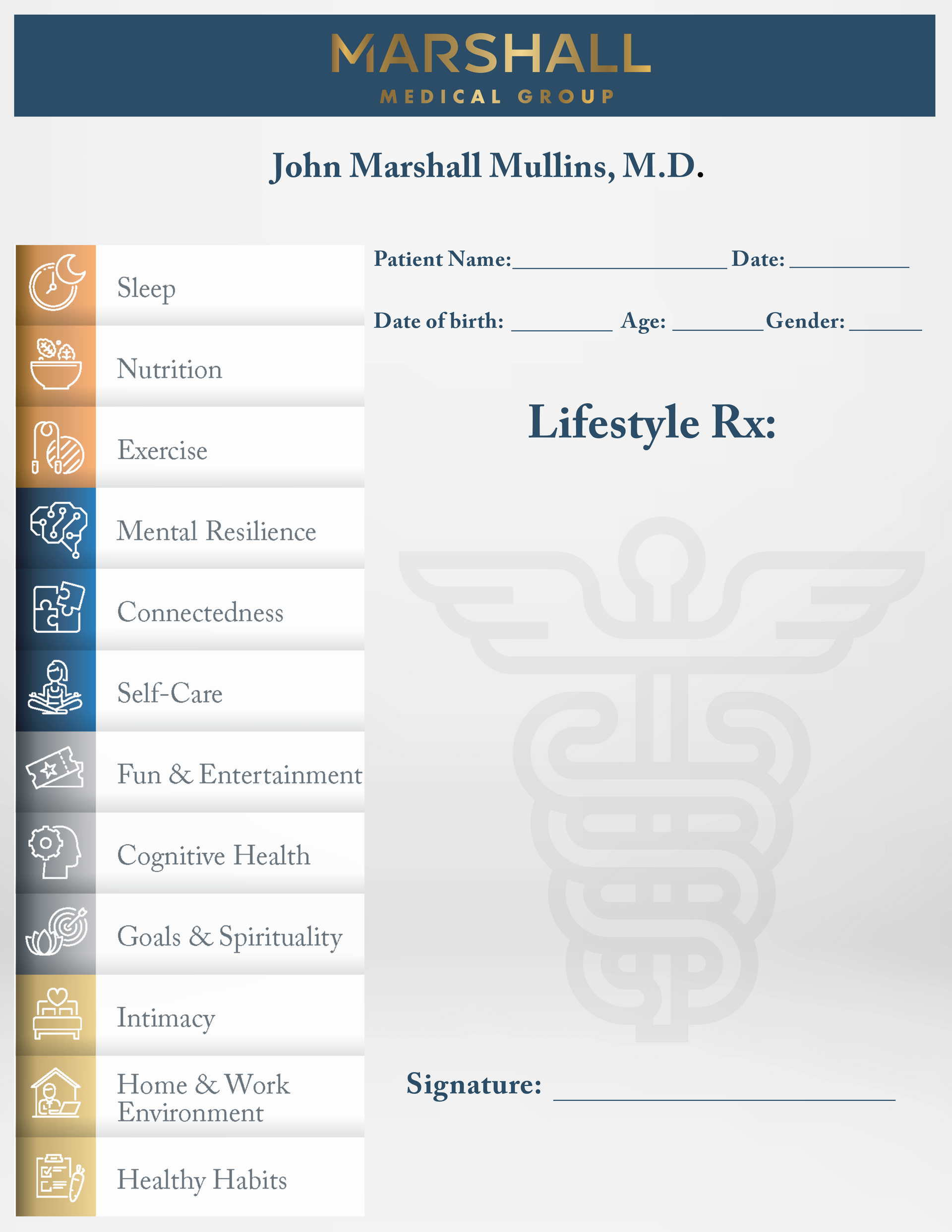
Lifestyle Medicine focuses on 12 key pillars:
· Restorative Sleep
· Proper Nutrition
· Exercise and other Physical Activity
· Mental Resilience
· Avoidance of Addictive / Destructive Tendencies
· Connectedness - Positive Social Connection and Value-Based Interpersonal Relationships
· Self-Care
· Fun and Entertainment
· Cognitive Health
· Goals and Spirituality
· Intimacy
· Positive Work and Home Environment
These factors are profoundly influenced by our genes, but even more importantly, they influence how our genes are expressed.

Epigenetics
Here’s where precision medicine and lifestyle medicine intersect beautifully: through the science of epigenetics, we know that our behaviors can literally turn genes on or off. That means the way we eat, move, sleep, and manage stress can directly impact our risk for chronic disease—and even influence our longevity.
By integrating precision diagnostics with lifestyle-based interventions, we can create a highly individualized roadmap for optimal health.
Real-World Application
Nutrition: Genetic testing can reveal how your body responds to different types of fats or carbohydrates. Based on this, we can fine-tune your diet to reduce inflammation, balance blood sugar, and support long-term vitality.
Exercise: Some people are genetically predisposed to benefit more from strength training than cardio (or vice versa). Knowing this allows us to tailor fitness plans that are more effective and sustainable.
Mental Health: Personalized data on neurotransmitter pathways and nutrient metabolism can guide more effective approaches to mood, anxiety, and stress resilience—often reducing or eliminating the need for medication.
Chronic Disease Prevention: Advanced panels can detect insulin resistance, oxidative stress, or hormonal imbalances before symptoms arise, giving us a window of opportunity to intervene with lifestyle strategies rather than medications.


A New Paradigm of Empowerment – The idea of Promoting “Health Span”
What excites me most about the fusion of precision medicine with lifestyle medicine is the empowerment it offers. This is healthcare that invites the patient to be an active / collaborative participant rather than a passive recipient. It’s not about reacting to disease: it is about understanding how your unique biology effects your risk of developing disease and creating a roadmap to prevent disease while simultaneously optimizing your bodies genetic reserve to live optimally – Free of disease and disability.
Moving Forward
Marshall Lifestyle Medicine has a new approach. Annual checkups which include genetic panels, microbiome analysis, advanced biomarkers, technologic bio hacking tools and personalized lifestyle prescriptions. Patients deserve to know the cards they hold and strategies to strengthen the leverage they hold over their own destinies.

Final Thoughts
Marshall Lifestyle Medicine is Blazing a new path forward. Join the revolution.
The future of medicine is here. And it’s as personal as your DNA—and as powerful as your daily habits.
Let’s make it count.
The Future of Healthcare must be different. We have no choice!

Precision Medicine FAQs
What is precision medicine?
Precision medicine is a personalized approach to healthcare that uses information about your genetics, biomarkers, lifestyle habits, environment, and health history to create individualized prevention and treatment strategies. Rather than applying the same recommendations to everyone, precision medicine focuses on delivering the right intervention to the right person at the right time.
How is precision medicine different from traditional healthcare?
Traditional healthcare often uses generalized treatment guidelines designed for large populations. Precision medicine uses advanced testing and personalized data to identify individual risk factors, optimize health outcomes, and develop customized treatment plans based on each patient's unique biology.
What is the goal of precision medicine?
The primary goal of precision medicine is to prevent disease, detect health concerns earlier, and optimize overall health and performance. By understanding how genetics, lifestyle, and environmental factors influence health, physicians can develop highly targeted strategies to improve both lifespan and healthspan.
What types of testing are used in precision medicine?
Precision medicine may incorporate genetic testing, advanced biomarker analysis, microbiome testing, hormone evaluations, metabolic assessments, body composition analysis, cardiovascular screening, cognitive assessments, and other advanced diagnostic tools to create a comprehensive picture of your health.
What are biomarkers?
Biomarkers are measurable indicators that provide insight into how your body is functioning. Examples include markers related to inflammation, cardiovascular health, hormone balance, metabolic function, nutrient status, and disease risk. Biomarkers help physicians identify health concerns before symptoms appear.
What is genetic testing in precision medicine?
Genetic testing evaluates specific genetic variations that may influence disease risk, medication response, exercise performance, nutrition needs, metabolism, and overall health. These insights help create more personalized prevention and wellness strategies.
What is epigenetics?
Epigenetics is the science of how lifestyle choices and environmental factors influence gene expression. While you cannot change your genes, factors such as nutrition, exercise, sleep, stress management, and toxin exposure can affect how your genes function and impact your long-term health.
Can lifestyle choices influence my genes?
Yes. Research in epigenetics suggests that lifestyle factors can affect how genes are expressed. Nutrition, physical activity, sleep quality, stress management, social connection, and other behaviors may influence inflammation, metabolism, aging, and chronic disease risk.
What is microbiome testing?
Microbiome testing evaluates the bacteria and microorganisms that live within your digestive system. The gut microbiome plays an important role in digestion, immune function, metabolism, inflammation, and overall health. Personalized recommendations may be developed based on microbiome findings.
How does precision medicine help prevent disease?
Precision medicine identifies health risks before symptoms develop by using advanced diagnostics, biomarker testing, genetic insights, and personalized health assessments. Early detection allows patients and physicians to implement preventive strategies before disease progresses.
Can precision medicine help improve longevity?
Yes. Precision medicine is a cornerstone of modern longevity care because it helps identify opportunities to optimize metabolic health, cardiovascular health, cognitive function, hormone balance, body composition, and other factors that influence both lifespan and healthspan.
How does precision medicine improve nutrition planning?
Precision medicine can help identify how your body responds to specific nutrients, carbohydrates, fats, exercise styles, and metabolic challenges. This information allows for more individualized nutrition recommendations rather than relying on generic diet plans.
Can precision medicine improve exercise performance?
Yes. Genetic and metabolic insights may help determine how your body responds to different forms of exercise, recovery strategies, and training programs. This information can support more effective and sustainable fitness planning.
How does precision medicine support mental health?
Precision medicine may provide insight into factors that influence mood, stress resilience, sleep quality, cognitive performance, and overall brain health. Personalized strategies can then be developed to support mental and emotional well-being.
What is healthspan?
Healthspan refers to the number of years a person lives in good health, free from significant disease, disability, or functional decline. Precision medicine focuses on improving healthspan by identifying and addressing risk factors before they negatively impact quality of life.
What is the difference between lifespan and healthspan?
Lifespan refers to how long you live, while healthspan refers to how well you live. Precision medicine seeks to extend both by helping patients maintain physical function, cognitive health, energy, vitality, and independence as they age.
Who can benefit from precision medicine?
Precision medicine can benefit individuals interested in disease prevention, longevity, executive health, performance optimization, weight management, hormone health, cardiovascular risk reduction, healthy aging, and personalized wellness planning.
Is precision medicine only for people with existing health problems?
No. Many patients pursue precision medicine because they want to prevent future disease, optimize performance, improve vitality, and better understand their individual health risks before problems develop.
How often should precision medicine testing be updated?
The frequency of testing depends on age, health goals, risk factors, medical history, and previous results. Many patients benefit from ongoing monitoring through annual or quarterly evaluations to track changes and refine their personalized health strategy.
What makes Marshall Lifestyle Medicine's approach to precision medicine different?
Marshall Lifestyle Medicine combines advanced diagnostics, genetic insights, biomarker testing, lifestyle medicine, hormone optimization, concierge healthcare, and longevity-focused planning into a comprehensive precision medicine program. The goal is to help patients prevent disease, optimize performance, improve healthspan, and create a personalized roadmap for lifelong wellness.